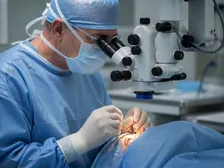
Cataract Surgery
A short, common procedure in which the clouded natural lens is removed and replaced with an artificial intraocular lens to restore vision.
Eye care
Each surgery explained in plain terms: why it is done, what it involves, and what the days after it look like. Grouped by the disease it treats.

A short, common procedure in which the clouded natural lens is removed and replaced with an artificial intraocular lens to restore vision.
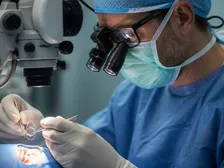
A procedure that replaces the eye's natural lens with an artificial smart lens to correct presbyopia and cataract and reduce dependence on glasses.
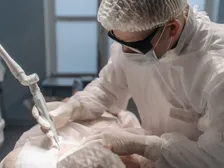
A procedure that reshapes the cornea with a laser to correct myopia, hyperopia and astigmatism and reduce the need for glasses or contact lenses.
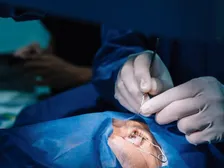
A procedure that secures an intraocular lens to the sclera when there is no capsular support to hold it in place.
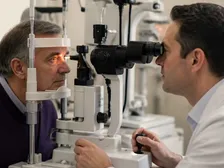
A laser procedure that clears the clouded capsule behind a lens implant to restore clear vision after cataract surgery.
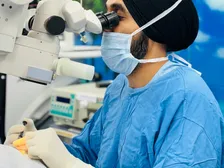
Surgical procedures performed to lower intraocular pressure and protect the optic nerve in glaucoma.
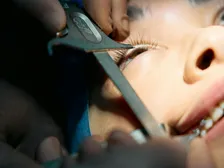
A procedure in which the eye's vitreous gel is removed to repair damage at the back of the eye and treat retinal and vitreous diseases.
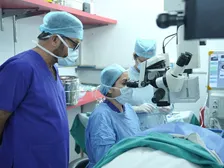
An injection treatment that delivers medication directly into the vitreous cavity to treat diseases of the retina and macula.
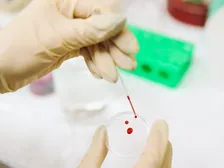
An emerging treatment that aims to repair or replace damaged retinal cells using stem cells.
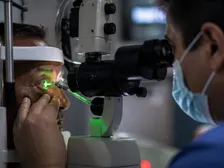
A retinal laser treatment that uses controlled photocoagulation to protect vision in various retinal diseases.
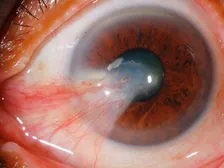
Surgical removal of a pterygium, a fleshy growth that extends from the white of the eye toward the cornea.
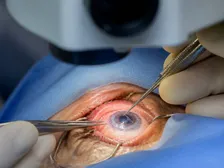
A surgical procedure that replaces a damaged or diseased cornea with healthy donor tissue to restore clear vision.
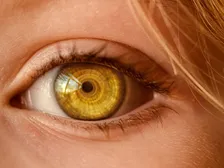
A treatment that places a natural amniotic membrane over a damaged eye surface to support healing, reduce inflammation, and protect against infection.
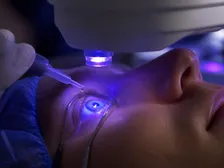
A minimally invasive procedure that strengthens the cornea with riboflavin and UV-A light to halt the progression of keratoconus.

A treatment in which healthy limbal stem cells are transplanted so the cornea can renew itself and stay clear.
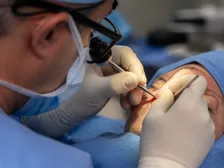
A surgery that opens a blocked tear drainage channel so tears can flow normally from the eye into the nose again.

A simple probing procedure that opens a tear duct that is blocked from birth in babies, so tears can drain normally again.
A simple, usually painless procedure that widens the tear duct opening and flushes it with fluid to check for and help relieve a blockage.

A small plug placed in the tear duct opening to keep natural tears on the eye surface longer and ease dry eye symptoms.

A surgical procedure that realigns the eyes by adjusting the eye muscles in strabismus, where the eyes point in different directions.
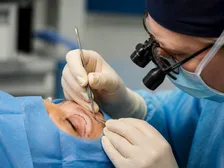
A surgical procedure (blepharoplasty) that corrects sagging, bags, puffiness and excess skin of the upper and lower eyelids for aesthetic and functional benefit.
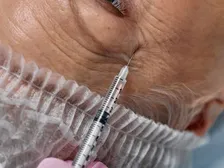
Non-surgical and minimally invasive methods used to treat sagging, wrinkles, puffiness and laxity around the eyelids without an operation.
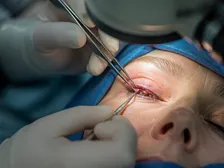
A surgical procedure that lifts a drooping upper eyelid back to its normal position to improve both vision and appearance.
A minor procedure to drain or remove a stye or chalazion of the eyelid when it does not respond to non-surgical treatment.
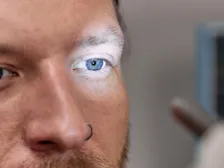
A surgical procedure that tightens and repositions an outward-turning eyelid to protect the eye surface and restore its function.

A procedure that returns an inward-turning eyelid to its normal position so the lashes no longer rub against the eye.
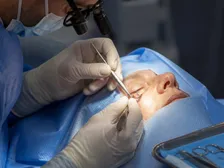
Surgical removal of benign or malignant growths on the eyelid, with reconstruction to preserve the lid's natural form.
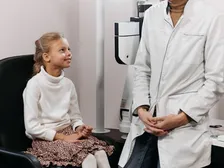
Surgery to lift a congenitally drooping upper eyelid in children so that the visual field opens and normal visual development can proceed.
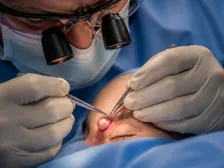
Complete surgical removal of a usually benign dermoid cyst around the eye to relieve cosmetic and functional problems and prevent regrowth.
A procedure that removes or redirects inward-growing eyelashes so they stop rubbing against the eye surface.